Chargement...

Santalum album
30-80€ / 10ml
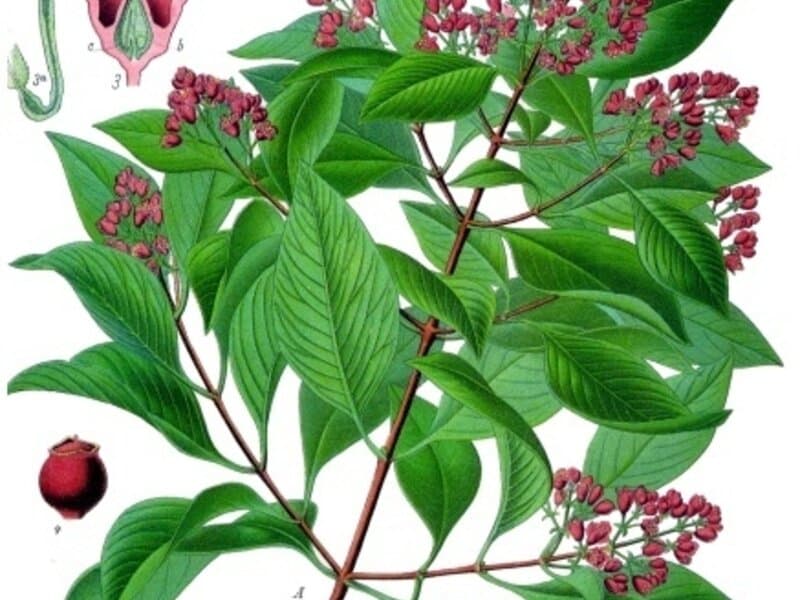
White sandalwood (Santalum album) is one of the most precious woods in the world. In India, it has been revered for millennia -- sandalwood is burned in Hindu and Buddhist temples, used in Ayurvedic medicine and carved for sacred objects. The tree is a hemiparasite: it needs a host tree to grow, and only produces scented wood after 15-20 years of growth. Overexploitation led to near-extinction in India -- Australia is now the main sustainable producer (Santalum spicatum, a closely related species).
Sandalwood essential oil contains 70-80% santalol (alpha and beta), rare sesquiterpenols that give it a woody, milky and soft scent absolutely unique in the plant kingdom. It is one of the rare essential oils containing virtually no monoterpenes -- its profile is 100% sesquiterpenic, making it extremely well tolerated by the skin. Sandalwood is also a traditional urinary antiseptic.
Les propriétés listées reposent sur des études in vitro et/ou un usage traditionnel. Sauf mention contraire, elles n'ont pas été validées par des essais cliniques humains rigoureux. Ces informations ne constituent pas un avis médical.
Calming
Traditional use
Venous decongestant
Traditional use
Urinary antiseptic
Traditional use
Sandalwood is a precious essential oil, to be used sparingly given its price. Main uses: urinary infections (as complement, diluted in lower abdomen massage), deep meditation and relaxation (in diffusion or olfaction), and high-end skincare (dry, mature skin). Its exceptional skin tolerance (no irritating monoterpenes) makes it one of the safest essential oils for the face.
Adapté à la diffusion atmosphérique. 3-5 gouttes, 15-20 min maximum par heure. Ne pas diffuser en continu.
Diluer dans une huile végétale avant application. Respecter les dosages recommandés selon la zone et le public.
Non recommandé par voie orale. Utiliser exclusivement par voie cutanée ou en diffusion.
Les huiles essentielles suivantes se combinent particuli\u00e8rement bien avec santal blanc pour renforcer ou compl\u00e9ter ses effets :
Indian sandalwood (Santalum album) is endangered due to overexploitation. The tree must grow for 30-60 years before its heartwood produces quality essential oil. Wild harvesting is now banned in India. Australian sandalwood (Santalum spicatum) is a sustainable and more affordable alternative.
It has been used for meditation in India for over 4,000 years. Santalol, which makes up 60-70% of the oil, has documented calming effects on the nervous system. In diffusion or applied to the third eye (between the eyebrows), it promotes deep concentration.
That is its reputation in Indian and Arab traditions. Its warm, woody, slightly animal scent promotes relaxation and sensuality. In massage diluted to 5% in carrier oil, it is used for its calming and intimate effects.
The information on OilsGuide.com is for informational purposes only and does not replace medical advice. Essential oils are active substances that may present risks. Consult a healthcare professional before any therapeutic use.