Chargement...

Aniba rosaeodora
15-35€ / 10ml
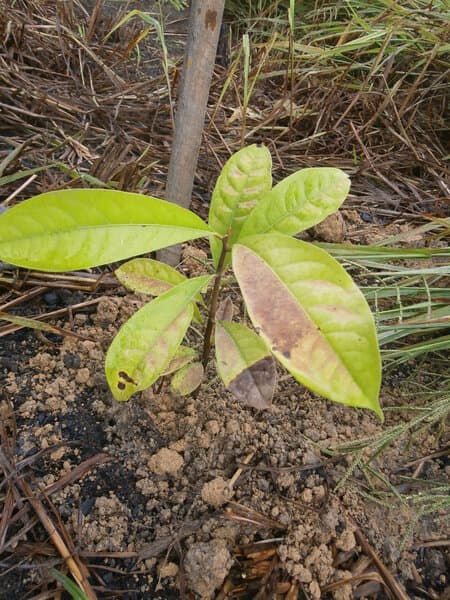
Rosewood (Aniba rosaeodora) is a precious tree of the Amazon rainforest. Brazilians began distilling it in the early 20th century for the perfume industry. Overexploitation led to its near-extinction and its listing under CITES protection. The ethical replacement today is Ho wood (Cinnamomum camphora ct. linalool), which has the same biochemical profile from a sustainable source.
With 80-90% linalool, rosewood has virtually the same profile as Ho wood. The two are interchangeable in aromatherapy. The ethical choice is always Ho wood. Rosewood should only be purchased from certified sustainable plantations.
Les propriétés listées reposent sur des études in vitro et/ou un usage traditionnel. Sauf mention contraire, elles n'ont pas été validées par des essais cliniques humains rigoureux. Ces informations ne constituent pas un avis médical.
Gentle antibacterial
Traditional use
Skin regenerating
Traditional use
Tonic
Traditional use
If you find rosewood, verify it comes from a certified sustainable plantation. Otherwise, systematically choose Ho wood -- it is identical chemically, more affordable, and ecologically responsible.
Adapté à la diffusion atmosphérique. 3-5 gouttes, 15-20 min maximum par heure. Ne pas diffuser en continu.
Diluer dans une huile végétale avant application. Respecter les dosages recommandés selon la zone et le public.
Non recommandé par voie orale. Utiliser exclusivement par voie cutanée ou en diffusion.
Les huiles essentielles suivantes se combinent particuli\u00e8rement bien avec bois de rose pour renforcer ou compl\u00e9ter ses effets :
Yes, Aniba rosaeodora is threatened by overexploitation in the Amazon. It is listed in CITES Appendix II. Prefer ho wood (Cinnamomum camphora ct. linalool), which is therapeutically identical and ecologically responsible.
Rich in linalool (80-95%), it is a gentle anti-infectious, skin regenerator and nervous system balancer. Ideal for sensitive skin, acne, wrinkles and stress. Same properties as ho wood at a higher ecological price.
For ecological reasons, yes -- unless the supplier certifies a sustainable source (plantation). Ho wood is therapeutically identical and ecologically responsible. It is the ideal replacement recommended by most aromatherapists.
The information on OilsGuide.com is for informational purposes only and does not replace medical advice. Essential oils are active substances that may present risks. Consult a healthcare professional before any therapeutic use.