Chargement...

Pinus pinaster
4-10€ / 10ml
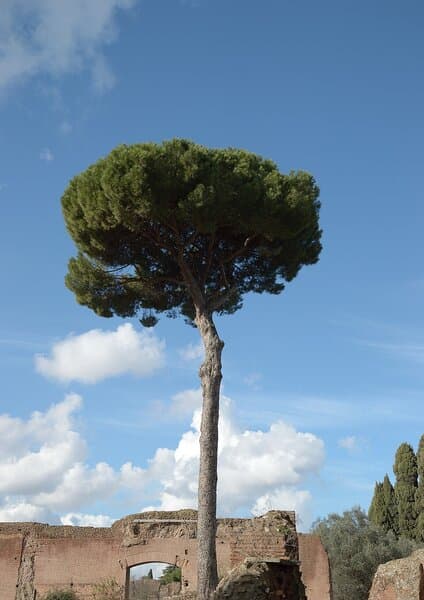
Maritime pine is the tree of the Landes -- those immense forests planted under Napoleon III to drain the marshes of Gascony. Turpentine (distilled pine resin) is one of Europe's oldest remedies: Greeks applied it to wounds, sailors coated ropes with it, and grandmothers put it in hot water for inhalation during bronchitis. The turpentine balm was a staple of the family pharmacy until the 1960s.
Maritime pine produces a turpentine essence composed of 70-80% alpha-pinene -- one of the most studied monoterpenes for its respiratory antiseptic action. It is more concentrated in alpha-pinene than Scots pine (50-60%), making it more powerful but also more irritating. Not to be confused with hardware store turpentine (denatured industrial solvent) -- aromatherapy quality is pure and natural.
Les propriétés listées reposent sur des études in vitro et/ou un usage traditionnel. Sauf mention contraire, elles n'ont pas été validées par des essais cliniques humains rigoureux. Ces informations ne constituent pas un avis médical.
Antiseptic
Confirmed traditional use
Expectorant
Traditional use
Tonic
Traditional use
Anti-inflammatory
In vitro studies
Maritime pine is mainly used in inhalation for respiratory infections -- the classic grandmother's remedy, and it works. In diffusion, it powerfully purifies the air. In massage diluted to 5%, it helps with muscle pain. Caution: more irritating than Scots pine, it can sensitize fragile skin. Always dilute, never neat.
Adapté à la diffusion atmosphérique. 3-5 gouttes, 15-20 min maximum par heure. Ne pas diffuser en continu.
Diluer dans une huile végétale avant application. Respecter les dosages recommandés selon la zone et le public.
Non recommandé par voie orale. Utiliser exclusivement par voie cutanée ou en diffusion.
Les huiles essentielles suivantes se combinent particuli\u00e8rement bien avec pin maritime pour renforcer ou compl\u00e9ter ses effets :
No. Maritime pine (Pinus pinaster) is Mediterranean and richer in beta-pinene. Scots pine (Pinus sylvestris) is northern and richer in alpha-pinene. Maritime pine is more used for its turpentine. Scots pine is more common in aromatherapy.
Yes, its high alpha and beta-pinene content makes it a good respiratory oil. In diffusion, it purifies the air and clears the airways. Also used for muscle pain in massage. Standard precautions for conifers apply (irritation, asthma).
Pycnogenol is an extract from maritime pine bark (antioxidant polyphenols), not from the essential oil. Different parts of the tree, different molecules, different properties. The essential oil is from the needles (terpenes), the bark extract is polyphenolic.
The information on OilsGuide.com is for informational purposes only and does not replace medical advice. Essential oils are active substances that may present risks. Consult a healthcare professional before any therapeutic use.