Chargement...

Thymus mastichina
5-12€ / 10ml
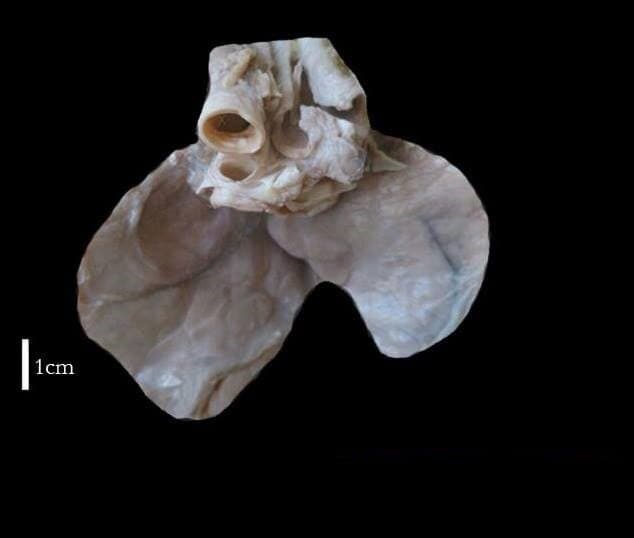
Spanish marjoram, or thyme mastichina, is neither a marjoram nor a thyme in the strict sense -- a perfect example of common name confusion in aromatherapy. Botanically, Thymus mastichina is indeed a thyme, but its scent recalls marjoram or eucalyptus rather than classic thyme. It grows abundantly on the Iberian Peninsula, covering vast stretches of garrigue. The Spanish and Portuguese have used it for centuries in cooking and folk medicine for respiratory ailments. Its very affordable price makes it an everyday essential oil.
Spanish marjoram differs from sweet marjoram (Origanum majorana, calming) by a totally different profile: it is rich in 1,8-cineole (50-75%), bringing it closer to eucalyptus radiata than marjoram. It is a gentle and well-tolerated respiratory expectorant and antiseptic, at an affordable price. It offers an alternative to eucalyptus for people who prefer less camphoraceous and more herbaceous scents.
Les propriétés listées reposent sur des études in vitro et/ou un usage traditionnel. Sauf mention contraire, elles n'ont pas été validées par des essais cliniques humains rigoureux. Ces informations ne constituent pas un avis médical.
Expectorant
Confirmed traditional use
Respiratory antiseptic
Traditional use
Antispasmodic
Traditional use
General tonic
Traditional use
Spanish marjoram is used exactly like eucalyptus radiata: in chest massage for respiratory infections, in inhalation for stuffy nose, in diffusion to purify the air. Its advantage: a lower price and a gentler scent than eucalyptus. Suitable from 3 years in diffusion and 6 years in diluted massage. It is an everyday winter essential oil, perfect for the family kit.
Adapté à la diffusion atmosphérique. 3-5 gouttes, 15-20 min maximum par heure. Ne pas diffuser en continu.
Diluer dans une huile végétale avant application. Respecter les dosages recommandés selon la zone et le public.
Non recommandé par voie orale. Utiliser exclusivement par voie cutanée ou en diffusion.
Les huiles essentielles suivantes se combinent particuli\u00e8rement bien avec marjolaine d'espagne (thym mastichina) pour renforcer ou compl\u00e9ter ses effets :
No, it is a thyme (Thymus mastichina) commonly called 'Spanish marjoram'. Rich in 1,8-cineole (50-70%). Its true identity is a thyme, making it a respiratory essential oil rather than a calming one.
Yes. Spanish 'marjoram' (Thymus mastichina) is respiratory (cineole). Sweet/shell marjoram (Origanum majorana) is calming. Wild marjoram is oregano (Origanum vulgare). Three different plants sharing confusing common names.
Well tolerated from age 6 (diluted). Standard precautions for 1,8-cineole-rich essential oils: avoid in asthmatics and very young children. In diffusion and chest rub for respiratory support.
The information on OilsGuide.com is for informational purposes only and does not replace medical advice. Essential oils are active substances that may present risks. Consult a healthcare professional before any therapeutic use.