Chargement...

Artemisia dracunculus
8-18€ / 10ml
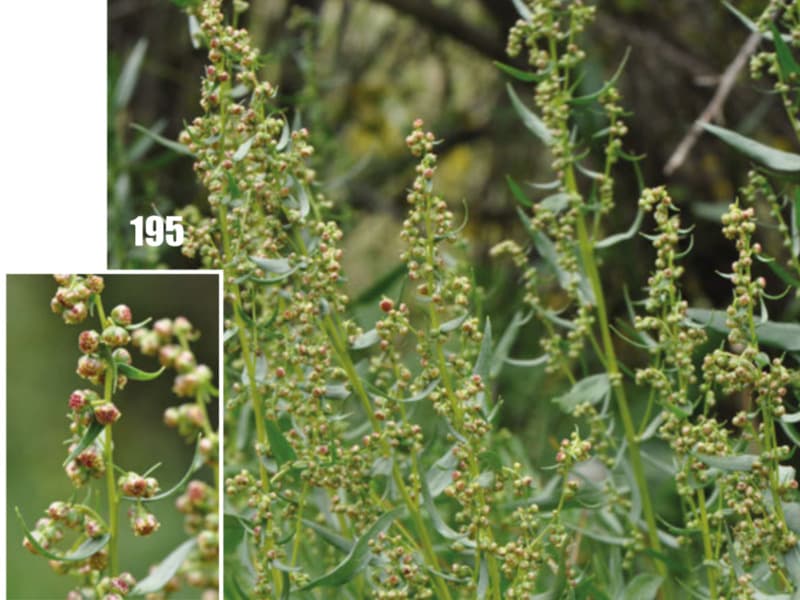
Tarragon (Artemisia dracunculus) takes its name from the Latin 'dracunculus' (little dragon), because it was believed in the Middle Ages to cure snake bites. In French cuisine, it is the royal herb -- it flavors bearnaise sauce, chicken tarragon and tarragon vinegar. Tarragon essential oil is chemically very similar to tropical basil (same dominant molecule: methyl chavicol) and shares the same antispasmodic properties. Native to Central Asia, it is cultivated in France and Iran.
Like tropical basil, tarragon contains 70-80% methyl chavicol (estragole). But it stands out with an additional property: it is anti-allergic. Tarragon is traditionally used against hay fever and seasonal allergies. Its anise-like scent is more subtle than that of tropical basil.
Les propriétés listées reposent sur des études in vitro et/ou un usage traditionnel. Sauf mention contraire, elles n'ont pas été validées par des essais cliniques humains rigoureux. Ces informations ne constituent pas un avis médical.
Powerful antispasmodic
Traditional use
Anti-allergic
Traditional use
Digestive
Facilite la digestion, réduit les ballonnements et les spasmes intestinaux.
Traditional use
Tarragon is used like tropical basil for spasms (digestive, menstrual, hiccups), but with an extra: its anti-allergic action. During pollen season, it is applied diluted in chest and sinus massage. For spasms, application on the belly or solar plexus is quick and effective. Like tropical basil, estragole requires occasional use (max 7-10 days).
Adapté à la diffusion atmosphérique. 3-5 gouttes, 15-20 min maximum par heure. Ne pas diffuser en continu.
Diluer dans une huile végétale avant application. Respecter les dosages recommandés selon la zone et le public.
Non recommandé par voie orale. Utiliser exclusivement par voie cutanée ou en diffusion.
Les huiles essentielles suivantes se combinent particuli\u00e8rement bien avec estragon pour renforcer ou compl\u00e9ter ses effets :
Tarragon is used in aromatherapy as an anti-allergic (hay fever, allergic asthma). Methyl chavicol acts on the allergic cascade. 1 drop on a tissue to inhale at the onset of symptoms. In course: 2-3 drops in carrier oil on the sinuses, 3 times a day.
Like tropical basil (both rich in methyl chavicol), tarragon is an excellent antispasmodic. It is the reference for hiccups (1 drop neat under the tongue), painful periods and digestive spasms.
Same plant (Artemisia dracunculus) but the essential oil is much more concentrated. 1 drop equals several grams of fresh tarragon. The essential oil contains 70-80% methyl chavicol, hence the precautions in prolonged use.
The information on OilsGuide.com is for informational purposes only and does not replace medical advice. Essential oils are active substances that may present risks. Consult a healthcare professional before any therapeutic use.