Chargement...

Cinnamomum verum
10-25€ / 10ml
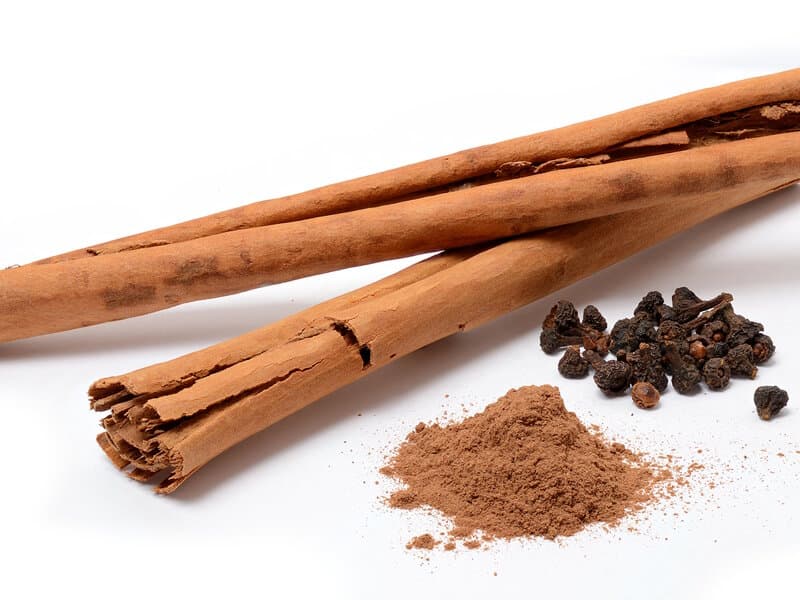
Ceylon cinnamon (Sri Lanka) is considered the 'true' cinnamon, to be distinguished from cassia cinnamon (China) which is less refined. Egyptians used it for embalming 4000 years ago. Phoenicians, then Arabs, controlled its trade for centuries by keeping its origin secret. The Portuguese were the first Europeans to discover the cinnamon trees of Ceylon in 1505, triggering a colonial struggle for control of the island. Cinnamon bark is one of the most powerful spices in aromatherapy.
Cinnamon bark essential oil contains 60-75% cinnamaldehyde, one of the most powerful aromatic aldehydes. It is a very broad-spectrum anti-infectious agent (bacteria, viruses, fungi, parasites) but also one of the most SKIN-BURNING essential oils that exist. Dilution must NEVER exceed 1% for skin. Cinnamon leaf (rich in eugenol) is different and less aggressive.
Les propriétés listées reposent sur des études in vitro et/ou un usage traditionnel. Sauf mention contraire, elles n'ont pas été validées par des essais cliniques humains rigoureux. Ces informations ne constituent pas un avis médical.
Major antibacterial
Confirmed traditional use
Antiviral
Traditional use
Antifungal
Traditional use
General tonic
Traditional use
Ceylon cinnamon is the heavy artillery of anti-infectious aromatherapy. It is reserved for resistant and severe infections, ONLY in adults, and ALWAYS diluted (max 1% skin, max 5% in synergy with other essential oils). Oral route in capsules is possible but only under aromatherapist prescription. In diffusion, it is pleasant but limited to 10 min as it irritates mucous membranes at high concentration.
Non recommandé en diffusion. Privilégier l'application cutanée diluée ou l'inhalation contrôlée.
Diluer dans une huile végétale avant application. Respecter les dosages recommandés selon la zone et le public.
Non recommandé par voie orale. Utiliser exclusivement par voie cutanée ou en diffusion.
Les huiles essentielles suivantes se combinent particuli\u00e8rement bien avec cannelle de ceylan (écorce) pour renforcer ou compl\u00e9ter ses effets :
Ceylon (Cinnamomum verum) is finer, safer and virtually free of coumarin. Cassia (Cinnamomum cassia) is stronger in cinnamaldehyde but contains hepatotoxic coumarin. For aromatherapy, Ceylon is always preferred.
Cinnamaldehyde is highly dermocaustic -- cinnamon essential oil is one of the most irritating in existence. NEVER apply neat. In diffusion, do not exceed 5% of the total blend. In massage, dilute to a maximum of 1-2% in a carrier oil.
Ceylon cinnamon is one of the most powerful anti-infectious agents in the plant kingdom. Bactericidal, virucidal, fungicidal, antiparasitic. Reserved for severe infections (gastroenteritis, traveler's diarrhea, urinary tract infections) in short courses under professional guidance.
The information on OilsGuide.com is for informational purposes only and does not replace medical advice. Essential oils are active substances that may present risks. Consult a healthcare professional before any therapeutic use.