Chargement...

Cinnamomum camphora ct. camphre
4-10€ / 10ml
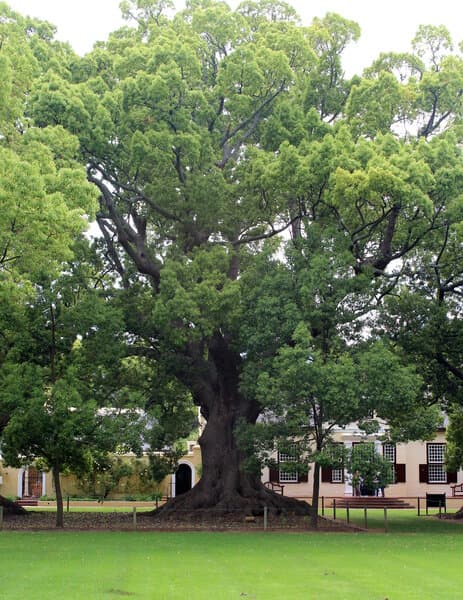
Here is a fact that always surprises: the camphor tree and ravintsara are the SAME tree -- Cinnamomum camphora. Yes, the same. But when this tree grows in Asia (China, Japan, Taiwan), it produces camphor. When it grows in Madagascar, it produces 1,8-cineole (and becomes ravintsara). This is the most spectacular example of the environment's influence on chemotype. Camphor has been known for millennia in Chinese and Japanese medicine. In Europe, camphor mothballs are a childhood memory for many.
The camphor tree contains 50-70% camphor (borneone) -- a powerful but neurotoxic molecule. Camphor has a recognized muscle-decontracting and cardiac-stimulating effect, but it can cause convulsions in children and epileptics. It is an essential oil to handle with caution. Tiger Balm contains camphor, which explains its muscular effectiveness... and its contraindications in children.
Les propriétés listées reposent sur des études in vitro et/ou un usage traditionnel. Sauf mention contraire, elles n'ont pas été validées par des essais cliniques humains rigoureux. Ces informations ne constituent pas un avis médical.
Analgesic
Confirmed traditional use
Anti-inflammatory
In vitro studies
Tonic
Traditional use
Expectorant
Traditional use
The camphor tree is reserved for adults for muscle pain and fatigue. In massage diluted to 5% maximum, it decontracts muscles and stimulates circulation. NEVER in children (convulsions), pregnant women or epileptics. NEVER in prolonged diffusion. For most muscular uses, rosemary camphor is safer. Pure camphor tree is the 'heavy-duty' option when rosemary is not enough.
Non recommandé en diffusion. Privilégier l'application cutanée diluée ou l'inhalation contrôlée.
Diluer dans une huile végétale avant application. Respecter les dosages recommandés selon la zone et le public.
Non recommandé par voie orale. Utiliser exclusivement par voie cutanée ou en diffusion.
Les huiles essentielles suivantes se combinent particuli\u00e8rement bien avec camphrier pour renforcer ou compl\u00e9ter ses effets :
It depends entirely on the chemotype. Camphor tree (Cinnamomum camphora) gives different chemotypes: ravintsara (cineole, safe), ho wood (linalool, very safe), camphor chemotype (camphor, neurotoxic). Always check the chemotype.
They come from the same botanical species but are different chemotypes. Ravintsara = Cinnamomum camphora ct. 1,8-cineole (Madagascar). Camphor chemotype = C. camphora ct. camphor (Asia). Very different properties and safety profiles.
The camphor chemotype is used as a muscle relaxant and analgesic (like camphor rosemary). Neurotoxic in high doses: adults only, short courses, diluted. For respiratory uses, prefer ravintsara. For skin, prefer ho wood.
The information on OilsGuide.com is for informational purposes only and does not replace medical advice. Essential oils are active substances that may present risks. Consult a healthcare professional before any therapeutic use.