Chargement...

Ormenis multicaulis
10-25€ / 10ml
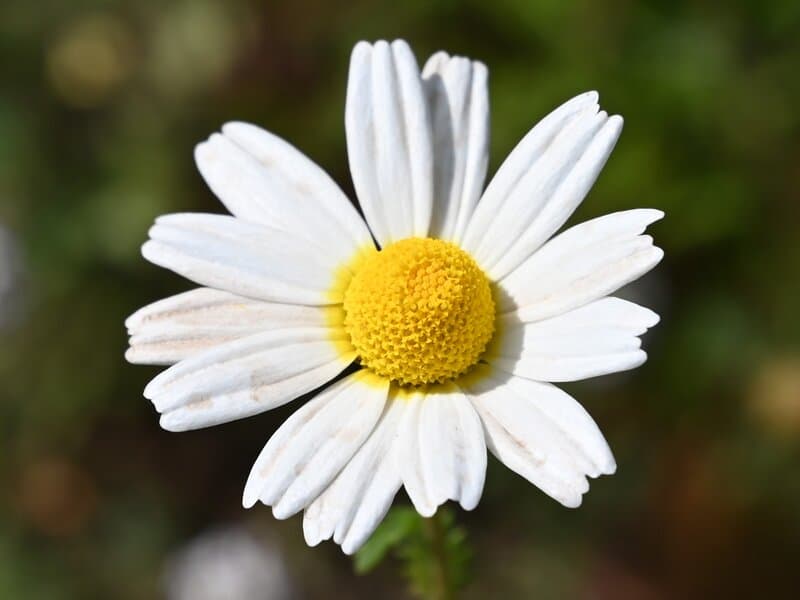
Moroccan chamomile, or Ormenis multicaulis, is a plant that regularly sows confusion in aromatherapy. Despite its common name, it is not a true chamomile in the strict botanical sense: it belongs to the genus Ormenis and not to Chamaemelum (Roman chamomile) or Matricaria (German chamomile). This robust plant thrives in the semi-arid regions of Morocco. Moroccan herbalists have used it for generations to treat digestive disorders, intestinal parasites and menstrual pain.
Moroccan chamomile is clearly distinguished from other chamomiles by its unique chemical composition, dominated by santolina alcohol -- a compound not found in Roman chamomile or German chamomile. Its antispasmodic action is comparable to Roman's, but it adds antiparasitic and hepatoprotective virtues that are its own. Its price is also significantly lower, making it an interesting alternative for tight budgets.
Les propriétés listées reposent sur des études in vitro et/ou un usage traditionnel. Sauf mention contraire, elles n'ont pas été validées par des essais cliniques humains rigoureux. Ces informations ne constituent pas un avis médical.
Antispasmodic
Traditional use
Calming
Traditional use
Antiparasitic
Traditional use
Liver tonic
Traditional use
Moroccan chamomile is mainly used topically diluted to 5-10% for antispasmodic and antiparasitic actions. In abdominal massage, it effectively relieves cramps and bloating. For parasites, combine with tea tree and true lavender. In diffusion, the atmosphere is soothing but the scent is less pleasant than Roman chamomile -- combine with citrus. Although it bears the chamomile name, never use it in babies or young children without professional advice, as it is less gentle than Roman chamomile.
Adapté à la diffusion atmosphérique. 3-5 gouttes, 15-20 min maximum par heure. Ne pas diffuser en continu.
Diluer dans une huile végétale avant application. Respecter les dosages recommandés selon la zone et le public.
Non recommandé par voie orale. Utiliser exclusivement par voie cutanée ou en diffusion.
Les huiles essentielles suivantes se combinent particuli\u00e8rement bien avec camomille du maroc pour renforcer ou compl\u00e9ter ses effets :
No. Moroccan chamomile (Ormenis mixta or Cladanthus mixtus) is a different species. Its profile is distinct: richer in alpha-santalonyl acetate. Different from both Roman and German chamomile. Check the Latin name.
Anti-inflammatory and analgesic for joints and muscles. Also calming and soothing. Less documented than Roman or German chamomile. A regional specialty from Morocco.
Generally well tolerated. Standard precautions. Less studied than the other chamomiles. Patch test recommended before first use.
The information on OilsGuide.com is for informational purposes only and does not replace medical advice. Essential oils are active substances that may present risks. Consult a healthcare professional before any therapeutic use.