Chargement...

Tanacetum annuum
15-30€ / 10ml
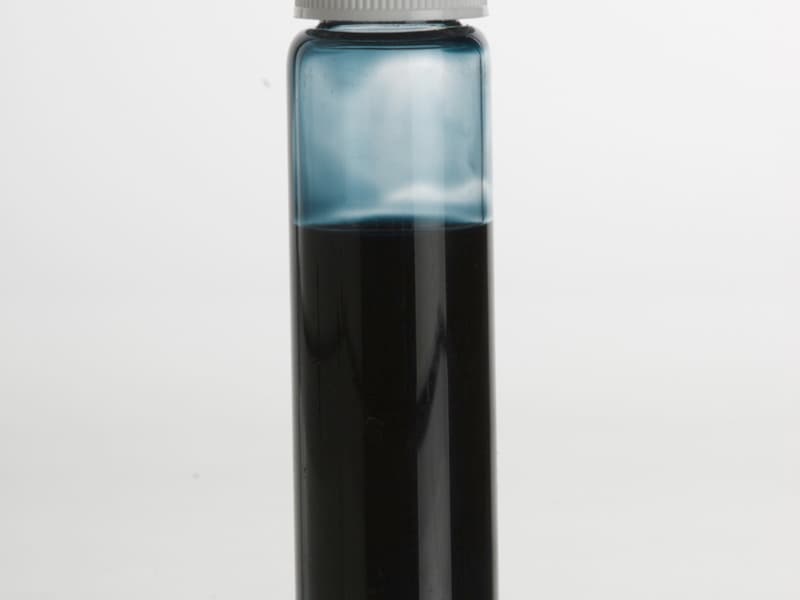
Blue tansy (Tanacetum annuum) is native to Morocco and Portugal. It should ABSOLUTELY NOT be confused with common tansy (Tanacetum vulgare), which is toxic (rich in thujone). Blue tansy is nicknamed 'the blue oil' because it contains chamazulene, an intense blue pigment that forms during distillation (it does not exist in the fresh plant). Chamazulene is also present in German chamomile (matricaria), which gives the same intense blue color.
Blue tansy is the reference anti-inflammatory and antihistamine essential oil. Its chamazulene gives it anti-inflammatory power comparable to natural cortisone. It is the oil of choice for skin allergies (hives, eczema, itching) and inflammatory joint pain. Its intense blue color stains the skin -- dilution is essential.
Les propriétés listées reposent sur des études in vitro et/ou un usage traditionnel. Sauf mention contraire, elles n'ont pas été validées par des essais cliniques humains rigoureux. Ces informations ne constituent pas un avis médical.
Anti-inflammatory
Traditional use
Antihistamine
Traditional use
Anti-itch
Traditional use
Blue tansy is used exclusively topically for inflammation and allergies. Dilute to 2-5% in a carrier oil (it stains the skin blue). For seasonal allergies with skin manifestations, it is the most effective essential oil. For inflammatory pain, it combines well with lemon eucalyptus and wintergreen.
Adapté à la diffusion atmosphérique. 3-5 gouttes, 15-20 min maximum par heure. Ne pas diffuser en continu.
Diluer dans une huile végétale avant application. Respecter les dosages recommandés selon la zone et le public.
Non recommandé par voie orale. Utiliser exclusivement par voie cutanée ou en diffusion.
Les huiles essentielles suivantes se combinent particuli\u00e8rement bien avec tanaisie annuelle pour renforcer ou compl\u00e9ter ses effets :
No! Blue tansy (Tanacetum annuum) is antihistamine and anti-inflammatory, non-toxic. Common tansy (Tanacetum vulgare) contains thujone, is neurotoxic and abortifacient. Never confuse them -- always check the Latin name. The blue color of the oil is due to chamazulene.
Excellent. Chamazulene is a powerful anti-inflammatory and antihistamine. In diffusion or applied diluted on the sinuses, it provides significant relief from hay fever, allergic rhinitis and skin allergies. It combines well with tarragon for a synergistic anti-allergic effect.
The intense blue color comes from chamazulene, which forms during distillation (it does not exist in the fresh plant). This molecule is also found in German chamomile. The more intense the blue, the richer in chamazulene. It stains skin and fabrics blue.
The information on OilsGuide.com is for informational purposes only and does not replace medical advice. Essential oils are active substances that may present risks. Consult a healthcare professional before any therapeutic use.